
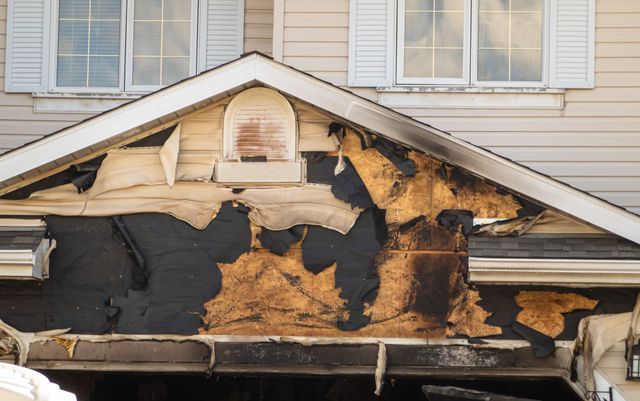
In the aftermath of a storm, the path to recovery can be daunting for homeowners and businesses alike. The destruction left behind often requires a systematic and professional approach to ensure safety and restore normalcy. Thorough storm damage cleanup services are paramount in addressing the variety of challenges that arise, from structural repairs to debris removal. Understanding the steps involved in an effective cleanup process is vital for anyone facing the aftermath of a severe weather event.
Initial Assessment and Planning
The first step in any comprehensive storm damage cleanup involves a meticulous assessment of the affected areas. This evaluation is crucial for identifying the extent of the damage and planning the most efficient cleanup strategy. A thorough inspection may include:
- Evaluating structural integrity of buildings and infrastructure.
- Identifying hazardous materials or conditions, such as downed power lines or gas leaks.
- Assessing water damage and potential mold growth.
Learn about our tailored solutions for assessment and planning by visiting this resource.
Debris Removal and Waste Management
Once a plan is established, the next step involves the removal of debris and management of waste materials. This process is essential to prevent further hazards and create a safe environment for ongoing repairs. Key considerations include:
- Segregating and disposing of different types of waste safely.
- Utilizing specialized equipment for heavy debris removal.
- Ensuring compliance with local and environmental regulations.
Discover expert strategies for debris management here.
Water Extraction and Drying
Addressing Water Damage
Water damage is a common consequence of severe storms, necessitating prompt and effective water extraction and drying techniques. This critical step helps prevent the onset of mold and further structural deterioration. Effective water damage cleanup involves:
- Using industrial-grade dehumidifiers and air movers.
- Ensuring thorough drying of affected areas, including hidden spaces.
- Monitoring moisture levels to confirm complete dryness.
Find out more about this approach to water damage solutions by exploring advanced guides and tips.
Structural Repairs and Restoration
After ensuring safety and cleanliness, the focus shifts to repairing and restoring the damaged structures. This phase is crucial for returning the property to its pre-storm condition. Comprehensive restoration services might include:
- Rebuilding damaged roofs, walls, and foundations.
- Restoring power systems and addressing electrical concerns.
- Renovating interiors affected by water or structural damage.
Explore advanced guides and tips for effective restoration at this link.
Preventive Measures and Future Preparedness
In addition to cleanup and restoration, implementing preventive measures can mitigate future storm damage. Strategic planning and preparation can significantly reduce risk and enhance resilience. Important steps include:
- Installing storm-resistant materials and technologies.
- Conducting regular maintenance and inspections.
- Creating a comprehensive emergency response plan.
Learn about tailored solutions for preventive measures by visiting this page.
Thorough storm damage cleanup services require a coordinated effort and the application of expert strategies. By understanding the essential steps and leveraging professional resources, individuals and businesses can efficiently navigate the challenges posed by severe weather events, ensuring safety and a swift return to normalcy.