
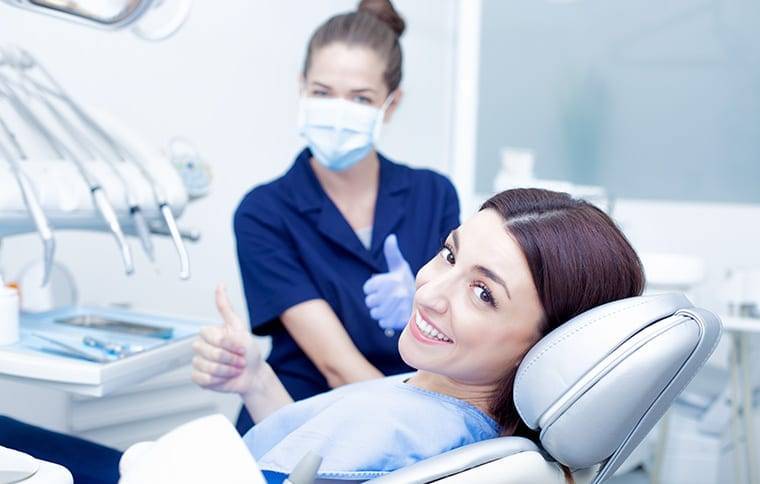
Caring for one’s smile is an essential aspect of overall health and well-being. Maintaining a bright, healthy smile is more than just aesthetics; it plays a crucial role in self-esteem and interpersonal interactions. Dental health is integral to general health, affecting everything from digestion to cardiovascular wellness. Thus, incorporating dental preventive care services into one’s routine is a wise investment in long-term health. These services are designed to diagnose, prevent, and manage oral diseases before they manifest into more severe conditions.
The Importance of Dental Preventive Care
Dental preventive care is vital because it provides a proactive approach to maintaining oral health. Embracing these services can help prevent the onset of various dental issues, such as cavities, gum disease, and enamel wear. The foundation of preventive care includes a combination of regular dental visits, good oral hygiene practices, and a balanced diet.
Benefits of Preventive Care
- Prevention of cavities and gum disease.
- Early detection of dental issues, allowing for less invasive treatments.
- Enhanced overall health by reducing the risk of systemic diseases linked to oral health.
- Cost savings in the long run by avoiding extensive dental procedures.
- Improvement in self-confidence due to a healthier, more attractive smile.
Key Components of Preventive Dental Care
Comprehensive dental preventive care services include several critical components that contribute to optimal oral health. These components are essential to ensuring the longevity and health of one’s teeth and gums.
Regular Dental Check-Ups
Routine dental check-ups are the cornerstone of preventive care. During these visits, dental professionals can identify early signs of problems that may not yet be causing symptoms. Check-ups typically include cleaning, examination, and sometimes X-rays to get a complete picture of oral health.
Professional Teeth Cleaning
Professional cleanings, also known as prophylaxis, are vital in removing plaque and tartar that cannot be eliminated by regular brushing and flossing. This process helps in maintaining healthy gums and preventing bad breath.
Sealants and Fluoride Treatments
Dental sealants and fluoride treatments are protective measures often recommended for children but beneficial for adults as well. Sealants act as a barrier against cavities, while fluoride strengthens the enamel, reducing the risk of decay.
At-Home Oral Hygiene
While professional care is essential, personal oral hygiene practices form the foundation of preventive care. Individuals should adhere to daily routines that promote oral health.
Brushing and Flossing
- Brush teeth at least twice a day with fluoride toothpaste.
- Floss daily to remove food particles and plaque between teeth.
- Use an antibacterial mouthwash to reduce bacteria and freshen breath.
Healthy Dietary Habits
Diet plays a significant role in oral health. Consuming a balanced diet rich in vitamins and minerals supports healthy teeth and gums. Limiting sugary snacks and drinks can further reduce the risk of tooth decay.
The Role of Technology in Preventive Care
Advancements in dental technology have significantly enhanced the ability to prevent dental diseases. Technologies such as digital X-rays, intraoral cameras, and laser diagnostics enable more precise detection and treatment of oral health issues in their early stages.
Conclusion
Investing in dental preventive care services is a proactive step towards maintaining a healthy smile and overall well-being. By combining professional preventive services with diligent at-home care, individuals can enjoy the benefits of good oral health for a lifetime. Prioritizing dental health not only enhances one’s smile but also contributes to a healthier and happier life.