
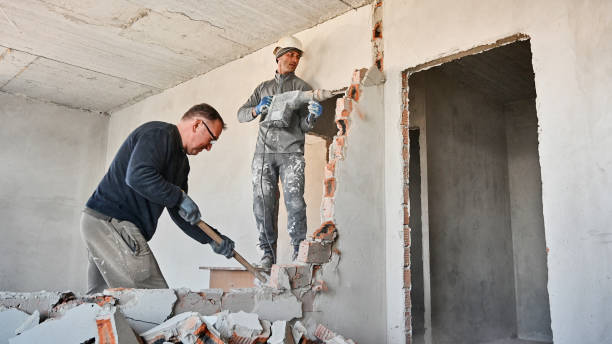
Interior demolition is a critical phase in the renovation process, transforming outdated spaces into fresh canvases for new designs. Whether updating a residential home or a commercial property, understanding the ins and outs of interior demolition ensures the project runs smoothly, safely, and efficiently. This guide delves into essential tips and techniques for executing a successful interior demolition project.
Understanding Interior Demolition
Interior demolition involves the removal of non-structural elements within a building, such as walls, ceilings, floors, and fixtures. This process is essential for remodeling and renovating spaces without compromising the building’s structural integrity. Key elements of interior demolition include:
- Wall Removal: Taking down interior walls to create open spaces or reconfigure layouts.
- Ceiling Demolition: Removing ceiling tiles, drywall, or plaster to update or access electrical systems.
- Flooring Removal: Stripping old carpet, tiles, or wood to install new flooring.
- Fixture Removal: Detaching built-in furniture, cabinets, and fixtures for a fresh start.
Planning and Preparation
Effective planning is the cornerstone of a successful demolition project. Before beginning any demolition work, it is crucial to:
- Obtain Necessary Permits: Check local regulations to ensure compliance with building codes and obtain the required permits.
- Conduct a Site Assessment: Evaluate the area to identify potential hazards, such as asbestos or lead, and plan for their safe removal.
- Develop a Demolition Plan: Outline the scope of work, timeline, and resource allocation to ensure a well-organized project.
Safety Considerations
Safety is paramount in any demolition project. Protecting workers and maintaining a safe environment involves:
Personal Protective Equipment (PPE)
- Hard Hats: Protect against head injuries from falling debris.
- Safety Glasses: Shield eyes from dust and flying particles.
- Gloves: Provide hand protection when handling rough or sharp materials.
- Respirators: Essential for working in dusty or potentially hazardous environments.
Site Safety Measures
- Secure the Area: Restrict unauthorized access to the site with clear signage and barriers.
- Hazardous Material Handling: Properly identify and dispose of hazardous materials according to local regulations.
- First Aid Preparedness: Always have a well-stocked first aid kit and trained personnel on site.
Demolition Techniques
Employing the right techniques is crucial for efficient and effective demolition. Common techniques include:
Manual Demolition
- Hand Tools: Use of hammers, pry bars, and saws for precision work.
- Selective Demolition: Carefully removing specific components without damaging adjacent structures.
Mechanical Demolition
- Power Tools: Utilizing drills, jackhammers, and grinders to expedite the demolition process.
- Heavy Machinery: Employing equipment like bobcats and excavators for large-scale demolition tasks.
Debris Management
Efficient management of debris is essential to maintain site cleanliness and safety. Steps to ensure effective debris management include:
- Sorting and Recycling: Separate materials for recycling to minimize waste and environmental impact.
- Waste Disposal: Hire licensed waste disposal services to handle and transport debris responsibly.
- Regular Clean-Up: Maintain a clean site by scheduling frequent debris removal during the project.
Conclusion
Executing a successful interior demolition project requires careful planning, adherence to safety standards, and the application of proper techniques. By following these guidelines, property owners and contractors can ensure a smooth transition from outdated interiors to modern, functional spaces. For more detailed information and professional guidance, consider exploring resources on interior demolition.